Choosing the Right Viscosity Level for Artificial Tears

Choosing the Right Viscosity Level for Artificial Tears

Choosing the Right Viscosity Level for Artificial Tears

Choosing the Right Viscosity Level for Artificial Tears

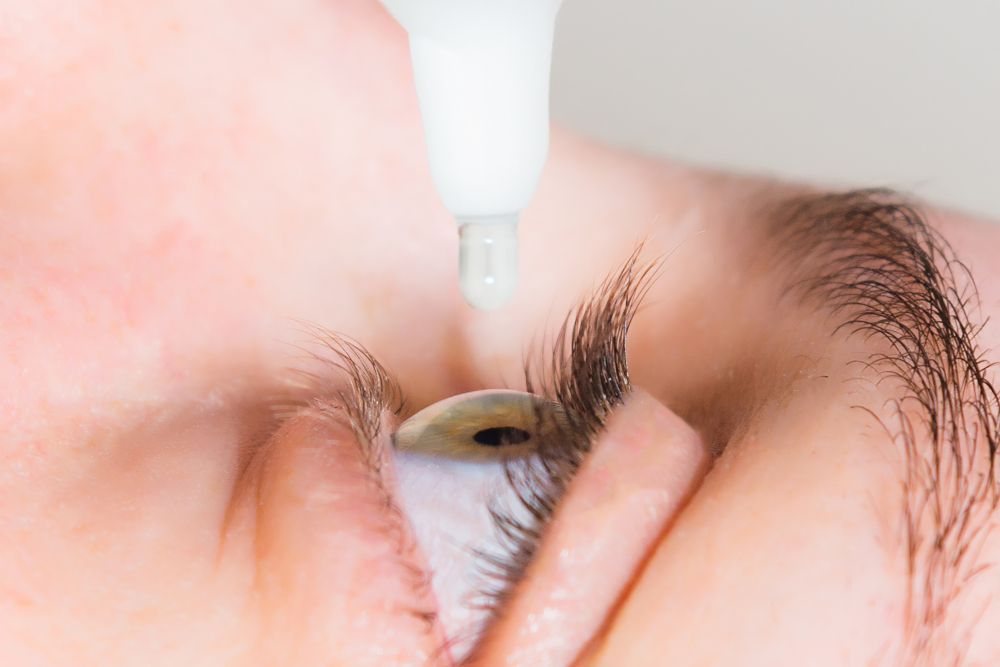
Artificial tears are often the first line of defense against dry, irritated eyes. But with so many options on the shelf, one of the most important differences between them is viscosity, or thickness. Choosing the right viscosity level can make a significant difference in how comfortable your eyes feel and how long relief lasts.
What Does Viscosity Mean in Artificial Tears?
Viscosity refers to how thick or thin an artificial tear solution is. Thinner drops feel more like natural tears, while thicker drops or gels coat the eye more heavily and stay in place longer. Each viscosity level serves a different purpose, which is why no single artificial tear is “best” for everyone.
Low-Viscosity Artificial Tears
Low-viscosity drops are lightweight and absorb quickly. They tend to blur vision very little, making them a good choice for daytime use.
These drops may be helpful if you:
- Experience mild or occasional dryness
- Use digital screens for long periods
- Need quick relief without interrupting daily activities
Because thinner drops don’t stay on the eye as long, they may need to be used more frequently throughout the day.
Medium-Viscosity Artificial Tears
Medium-viscosity drops strike a balance between comfort and duration. They provide longer-lasting relief than thinner drops while still maintaining relatively clear vision.
You might benefit from this type if you:
- Have moderate dry eye symptoms
- Notice irritation that returns quickly after using thinner drops
- Want a versatile option for both work and home use
These drops are often a good starting point for patients who aren’t sure which type they need.
High-Viscosity Drops, Gels, and Ointments
High-viscosity artificial tears are thicker and designed to stay on the eye for an extended period. While they can temporarily blur vision, they offer more intensive moisture and protection.
They are commonly recommended if you:
- Have severe or chronic dry eye
- Wake up with very dry or irritated eyes
- Need overnight relief
Because of their thickness, these products are often best used before bedtime rather than during the day.
When to See Your Eye Doctor
If you find yourself using artificial tears multiple times a day with little relief, or if your symptoms are worsening, it’s time to see your eye doctor. Persistent dryness may be a sign of an underlying condition that requires professional evaluation.
You should schedule an eye exam if you experience:
- Ongoing dryness, burning, or redness
- Blurred vision that doesn’t improve with drops
- Sensitivity to light or excessive tearing
- Eye discomfort that interferes with daily activities
Our eye doctor can help determine the cause of your symptoms and recommend the most appropriate treatment. This may include guidance on which viscosity level is best for your specific needs, as well as prescription therapies or more advanced treatment options designed to improve tear quality, reduce inflammation, and provide longer-lasting relief when over-the-counter drops are not enough.
Get Expert Help for Dry Eye Relief
Choosing the right viscosity level for artificial tears is an important step in managing dry eye symptoms effectively. Thinner drops may work well for mild discomfort, while thicker formulations can provide longer-lasting relief for more severe dryness. The key is finding what works best for your eyes - and recognizing when over-the-counter solutions aren’t enough.
If dry eye symptoms are affecting your comfort or vision, schedule a consultation with Dr. Richard E. Hults & Associates to get personalized recommendations and lasting relief for your eyes. Visit any of our offices in Elyria, Akron, Fairview Park, or Canton, Ohio. Please Call (440) 687-6055, (330) 252-7457, (440) 755-2857, (330) 252-7616 to book an appointment.


Keep in Touch
Contact Us
All Locations
Hours of Operation
- Monday 10:00 AM - 6:30 PM
- Tuesday 10:00 AM - 6:30 PM
- Wednesday 10:00 AM - 6:30 PM
- Thursday 10:00 AM - 6:30 PM
- Friday 10:00 AM - 5:30 PM
- Saturday 10:00 AM - 4:30 PM
- Sunday 12:00 PM - 3:30 PM
*Belden and Summit are closed Sundays*
© 2026 Dr. Richard E. Hults & Associates. All Rights Reserved. Sitemap. Privacy Policy.
Powered by