Early Detection: Why Regular Eye Exams Are Critical for Diabetic Patients

Early Detection: Why Regular Eye Exams Are Critical for Diabetic Patients

Early Detection: Why Regular Eye Exams Are Critical for Diabetic Patients

Early Detection: Why Regular Eye Exams Are Critical for Diabetic Patients

Early Detection: Why Regular Eye Exams Are Critical for Diabetic Patients
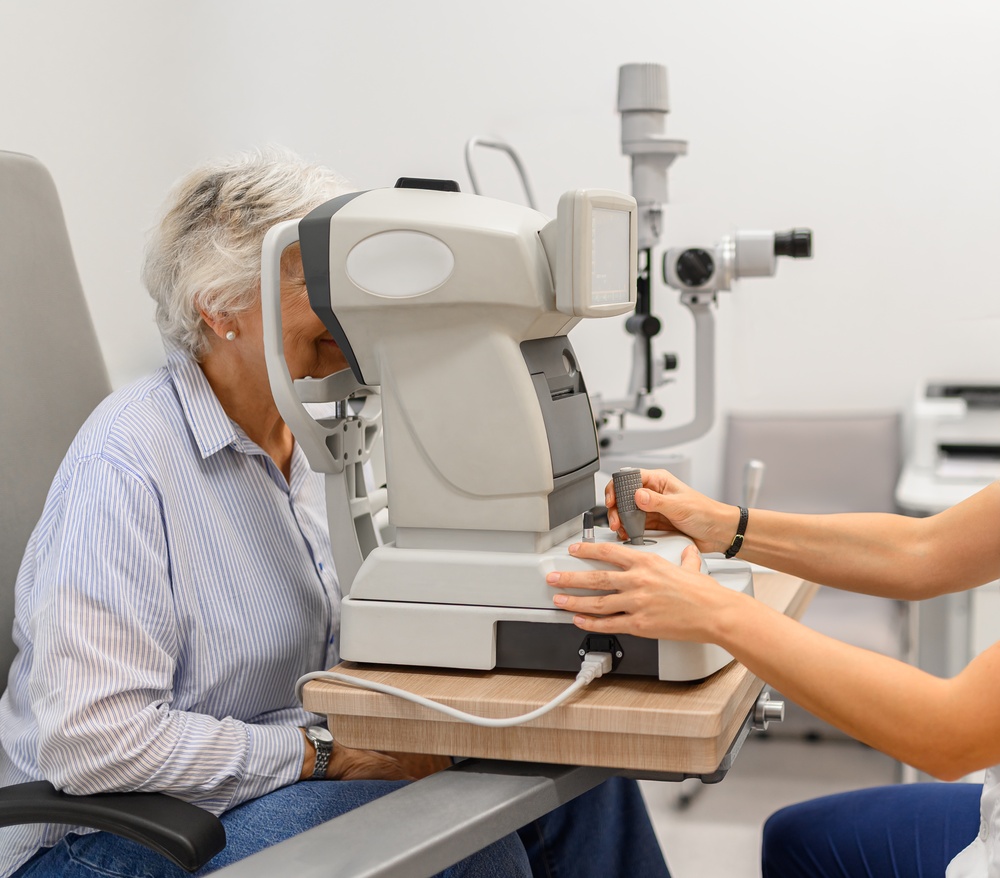
Diabetes can affect the eyes slowly, often before noticeable vision changes appear. That is why regular diabetic eye exams are an important part of protecting long-term eye health. With early detection, our eye doctors can look for signs of diabetic eye disease, monitor changes in the retina, and help patients take the right steps before vision problems become more serious.
How Diabetes Affects the Eyes
High blood sugar can damage the tiny blood vessels in the retina, the light-sensitive tissue at the back of the eye. Over time, this damage can lead to diabetic retinopathy, diabetic macular edema, cataracts, glaucoma, and other vision-threatening conditions.
Because these issues can develop gradually, patients may not always realize something is wrong. Clear vision does not always mean the eyes are healthy, especially for people living with diabetes.
The Importance of Catching Diabetic Eye Disease Early
Early detection gives your eye doctor the opportunity to identify changes before they cause permanent vision loss. An eye exam can reveal signs of swelling, leaking blood vessels, retinal damage, or other concerns that may need monitoring or treatment.
When diabetic eye disease is caught early, patients often have more options to protect their vision. Regular exams also help your optometrist track changes over time and communicate with your primary care doctor or diabetes care team when needed.
What a Diabetic Eye Exam Can Find
A diabetic eye exam is more detailed than a basic vision screening. It checks both your prescription and the health of the inside of your eyes. During the exam, your eye doctor may look for:
• Changes in retinal blood vessels
• Signs of diabetic retinopathy
• Swelling in the macula
• Cataract development
• Increased eye pressure linked to glaucoma
• Changes in overall vision and focusing ability
These findings can help guide the next steps for care, whether that means continued monitoring, updated eyewear, medical treatment, or a referral to a specialist.
How Often Diabetic Patients Need Eye Exams
Most diabetic patients should have an eye exam at least once a year, even if their vision seems stable. Some patients may need more frequent visits if they have existing diabetic eye disease, changes in blood sugar control, pregnancy, high blood pressure, or other health risks. Our eye doctor can recommend the right exam schedule based on your eye health, medical history, and any changes found during your visit.
Protecting Your Vision Between Visits
Regular eye exams are one part of diabetic eye care. Managing blood sugar, blood pressure, and cholesterol also plays an important role in protecting your eyes. Patients should also report new symptoms promptly, including blurry vision, floaters, dark spots, eye pain, or sudden vision changes. Taking a proactive approach can make a meaningful difference in long-term eye health.
Protect Your Vision with Routine Diabetic Eye Care
Dr. Richard E. Hults & Associates provides comprehensive eye care for diabetic patients throughout Northeast Ohio. If you have diabetes, routine eye exams can help detect early changes and support better long-term vision health.
Schedule your next eye exam with Dr. Richard E. Hults & Associates to stay ahead of diabetic eye disease. Visit any of our offices in Elyria, Akron, Fairview Park, or Canton, Ohio. Please Call (440) 687-6055, (330) 252-7457, (440) 755-2857, (330) 252-7616 to book an appointment today.


Keep in Touch
Contact Us
All Locations
Hours of Operation
- Monday 10:00 AM - 6:30 PM
- Tuesday 10:00 AM - 6:30 PM
- Wednesday 10:00 AM - 6:30 PM
- Thursday 10:00 AM - 6:30 PM
- Friday 10:00 AM - 5:30 PM
- Saturday 10:00 AM - 4:30 PM
- Sunday 12:00 PM - 3:30 PM
*Belden and Summit are closed Sundays*
© 2026 Dr. Richard E. Hults & Associates. All Rights Reserved. Sitemap. Privacy Policy.
Powered by